
Sleep is the most undervalued pillar of human health. In a culture that often celebrates hustle and equates sleep with laziness, we have forgotten that every major system in the body depends on adequate rest. The science is unequivocal: chronic sleep deprivation is associated with increased risk of obesity, heart disease, diabetes, dementia, and premature death. Understanding sleep is understanding health itself.
Sleep: The Foundation of Health
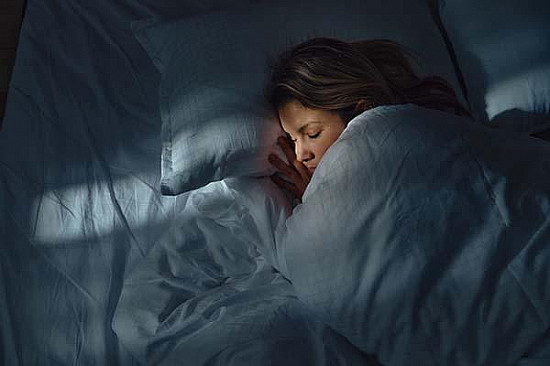
The sleep cycle consists of multiple stages that repeat throughout the night. Non-REM sleep includes light sleep and deep sleep, the latter being essential for physical restoration, tissue repair, and immune function. REM sleep, during which most dreaming occurs, is critical for emotional regulation, memory consolidation, and learning. Both types are necessary, and disrupting either has consequences.
Deep sleep is when the brain clears waste products, including beta-amyloid plaques associated with Alzheimer’s disease. The glymphatic system, active primarily during deep sleep, flushes toxins from the brain. This nightly housekeeping may be one reason sleep deprivation accelerates cognitive decline. Skimping on sleep literally allows waste to accumulate in the brain.
Memory consolidation depends on sleep. During the day, the brain forms temporary connections. At night, particularly during deep sleep and REM, it replays and strengthens important memories while pruning irrelevant ones. Students who sacrifice sleep to study are counterproductively impairing their ability to retain what they learned. Sleep after learning is as important as the learning itself.
Hormonal regulation is sleep-dependent. Growth hormone, essential for tissue repair and muscle building, is primarily released during deep sleep. Cortisol, the stress hormone, follows a circadian rhythm that sleep disruption can dysregulate. Leptin and ghrelin, which control hunger and fullness, become imbalanced with sleep loss, increasing appetite and cravings for high-calorie foods. This is why tired people overeat and gain weight.
Immune function suffers without sleep. Studies show that people sleeping less than seven hours are nearly three times more likely to develop a cold when exposed to the virus. Sleep deprivation reduces production of protective cytokines and infection-fighting antibodies. During illness, the body demands more sleep because fighting infection requires it.
Cardiovascular health depends on rest. During deep sleep, heart rate and blood pressure drop, giving the cardiovascular system essential recovery time. Chronic short sleep is linked to hypertension, heart attack, and stroke. The heart cannot rest adequately if you never do.
The recommended sleep duration for adults is seven to nine hours per night. Yet nearly one-third of adults regularly sleep less than seven hours. This collective sleep debt has public health consequences, contributing to epidemics of obesity, diabetes, and heart disease. Sleep is not optional; it is biological necessity.
Sleep hygiene matters. Consistency—same bedtime and wake time, even weekends—strengthens circadian rhythms. Darkness matters: blue light from screens suppresses melatonin production. Temperature matters: cooler environments promote sleep. Caffeine late in the day, alcohol before bed (which fragments sleep), and large meals close to bedtime all disrupt rest.
Sleep disorders are common and underdiagnosed. Sleep apnea, affecting millions, causes breathing to stop repeatedly during sleep, fragmenting rest and stressing the cardiovascular system. Insomnia, whether trouble falling asleep or staying asleep, affects many. Restless leg syndrome and narcolepsy are less common but significant. Treatment exists, but only if the problem is identified.
Napping can supplement but not replace nighttime sleep. Short naps (10-20 minutes) can boost alertness without causing sleep inertia. Longer naps enter deep sleep, making waking difficult, and can interfere with nighttime sleep if taken late in the day. Napping is tool, not solution for chronic sleep deprivation.
The cultural dismissal of sleep is dangerous. We would not praise someone for never eating or never exercising, yet we admire those who “survive on four hours.” This must change. Sleep is not wasted time; it is invested time, essential for everything that matters when awake. Prioritizing sleep is not laziness; it is wisdom.