
The Smartphone: The Universal Device That Ate the World
The smartphone is arguably the most transformative gadget in human history. In just over a decade, it has become the universal device—camera, map, bank, library, communication hub, entertainment center, and personal assistant all rolled into a slab of glass and metal that fits in a pocket. Understanding the smartphone is understanding how technology reshapes daily existence.
The modern smartphone is a marvel of miniaturization. The processor in your pocket has more computing power than the systems that guided astronauts to the moon. The camera system contains multiple lenses, sophisticated sensors, and computational photography algorithms that outperform professional equipment from just a few years ago. The battery, slim and sealed, powers this supercomputer through a day of intensive use. All of this is mass-produced at price points that make it accessible to billions.
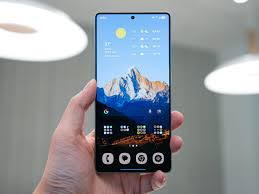
The smartphone’s dominance stems from its role as a platform. It is not a single-purpose device but a gateway to an ecosystem of apps and services. Need directions? Open maps. Want to capture a moment? Launch the camera. Bored? Stream video, play games, or scroll social media. Working? Answer email, edit documents, join video calls. Each function that once required a separate gadget—GPS, camera, MP3 player, gaming device, newspaper, calculator—is now a free or cheap app.
The camera has become perhaps the most important feature. Smartphone photography has democratized image-making, putting powerful creative tools in every hand. Computational photography, where software enhances hardware, enables features like portrait mode, night sight, and astrophotography that were impossible in dedicated cameras. Social media platforms optimized for visual content have made photography a universal form of communication.
The screen is the primary interface. Display technology has evolved from basic LCDs to vibrant OLEDs with high refresh rates, HDR support, and always-on functionality. The screen is where we consume, create, and connect. Its size and quality define much of the user experience. The trend toward edge-to-edge displays has eliminated bezels, making screens larger without increasing device size.
Yet the smartphone’s ubiquity raises concerns. The average user checks their phone over 100 times daily. Notifications fragment attention, pulling us out of the present moment. Social media apps designed for engagement rather than well-being can undermine mental health. The constant connectivity blurs boundaries between work and life, leaving many feeling never truly off-duty.
Privacy is another concern. Smartphones are tracking devices by design, generating constant data about location, activity, and behavior. This data fuels the attention economy, enabling targeted advertising but also creating surveillance capabilities unprecedented in human history. Users are increasingly aware that the device in their pocket knows more about them than any person ever could.
Environmental impact is significant. Smartphone production requires rare earth minerals often mined under problematic conditions. Manufacturing generates substantial carbon emissions. The typical upgrade cycle of two to three years creates massive electronic waste. Efforts toward modular, repairable, and sustainable designs remain niche.
The smartphone market has matured. Innovation now focuses on incremental improvements: better cameras, faster processors, longer battery life. Foldable screens represent the most significant form factor change in years, offering tablet-sized displays in pocketable devices. But the fundamental concept—a touchscreen computer that fits in your hand—remains unchanged.
The smartphone’s future involves deeper integration with our lives. Augmented reality will overlay digital information onto the physical world. AI assistants will become more proactive and capable. Health sensors will monitor more metrics. The device will become less a tool we actively use and more an ambient presence that anticipates needs.
For all its complexities and contradictions, the smartphone remains the defining gadget of our era. It is the window through which billions experience the digital world, the tool that connects us to information and each other, and the device that, for better or worse, shapes how we live.