
The Algorithmic Society: How Code Shapes Our Lives
We live in an age where algorithms silently govern vast swaths of human experience. These invisible lines of code determine what news we see, what products we buy, what music we hear, even whom we date or whether our loan application is approved. The algorithmic society has arrived, and its influence grows deeper with each passing year.
At its most basic, an algorithm is simply a set of instructions for solving a problem or completing a task. But when scaled across billions of users and fed endless streams of data, these instructions become something far more powerful: they become arbiters of information, gatekeepers of opportunity, and architects of human behavior. The recommendation engines on YouTube, TikTok, and Netflix don’t merely suggest content; they actively shape cultural consumption patterns, sometimes driving entire genres of music or video into prominence through sheer algorithmic amplification.
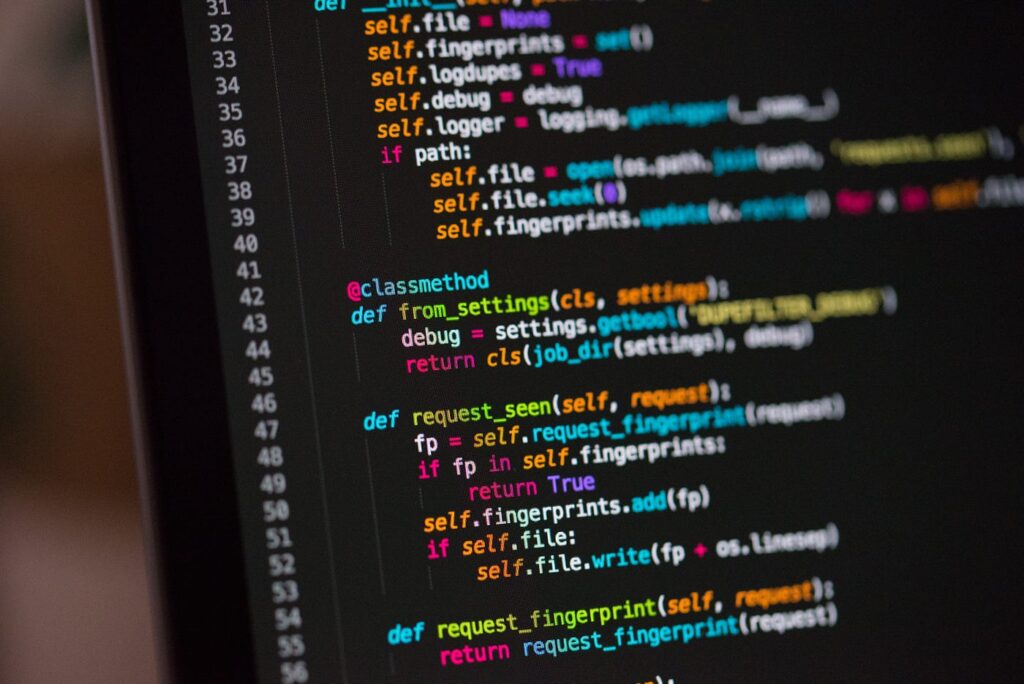
The mechanisms behind this are sophisticated. Machine learning models analyze your past behavior, compare it to millions of others, and predict what you will likely engage with next. Every click, every pause, every skip becomes data that refines the model’s accuracy. The system optimizes for one thing above all else: engagement. The longer you stay, the more data is generated, the more ads are shown, the more money is made. This creates a feedback loop where algorithms progressively narrow your experience, showing you more of what has already captured your attention.
This personalization has profound societal consequences. Political campaigns now micro-target voters with precisely tailored messages, sometimes showing different, even contradictory, positions to different demographics. The filter bubble effect means citizens of the same nation can inhabit entirely different information ecosystems, undermining shared reality and fueling polarization. Algorithms optimized for outrage often promote divisive content because negative emotions drive engagement more reliably than positive ones.
The workplace has been similarly transformed. Algorithmic management systems now schedule shifts, monitor productivity, and even terminate workers without human intervention. Delivery drivers are routed, timed, and evaluated by code. Gig economy platforms use algorithms to match workers with tasks, set prices, and determine pay, often with opaque criteria that workers cannot challenge or even understand.
Yet algorithms are not neutral. They inherit the biases of their creators and their training data. A hiring algorithm trained on historical data will learn past discriminatory patterns. A predictive policing algorithm trained on arrest data will perpetuate over-policing of minority neighborhoods. These systems codify inequality, making bias scalable and automated.
The challenge of the algorithmic society is not merely technical but deeply human. We must ask who designs these systems, what values they encode, and how they can be made accountable. Transparency is essential, but proprietary secrets often shield algorithms from scrutiny. Regulation lags behind innovation, leaving citizens vulnerable to systems they cannot see and do not understand.
The path forward requires algorithmic literacy as a basic life skill. Citizens must understand that their digital experiences are curated, not natural. They must recognize that algorithms have biases and blind spots. They must demand explainability and recourse when automated decisions affect their lives. The algorithmic society is not inherently oppressive, but without vigilance, it will optimize for everything except human flourishing.